

Accessories are the small items that quietly make training better. The right brace, roller, bottle or strap can help you move more comfortably, recover more easily and feel more secure during a session. The guides in this section cover recovery tools, supports, hydration and grip aids, so you can work out which extras are genuinely worth adding to your kit bag.
These guides are written to help you decide which extras genuinely earn a place in your routine and which you can happily skip. Fitness accessories range from everyday essentials, such as a decent bottle and mat, to more specialist supports and recovery tools, and not everyone needs the same things. Throughout this section we focus on practical value, so you can put your money towards items that make your own training more comfortable, more effective or a little safer.
Which fitness accessories are actually worth it?
It is easy to spend money on gadgets you never use, so it helps to focus on items that solve a real problem. If your hands slip during heavy lifts, straps or chalk make sense. If a joint feels vulnerable, a well-fitted support can give you confidence. If you train hard and feel stiff afterwards, a recovery tool may be worth it. Start with what would improve your own training, rather than buying a drawer full of accessories you hope to need one day.
Recovery tools: foam rollers and massage
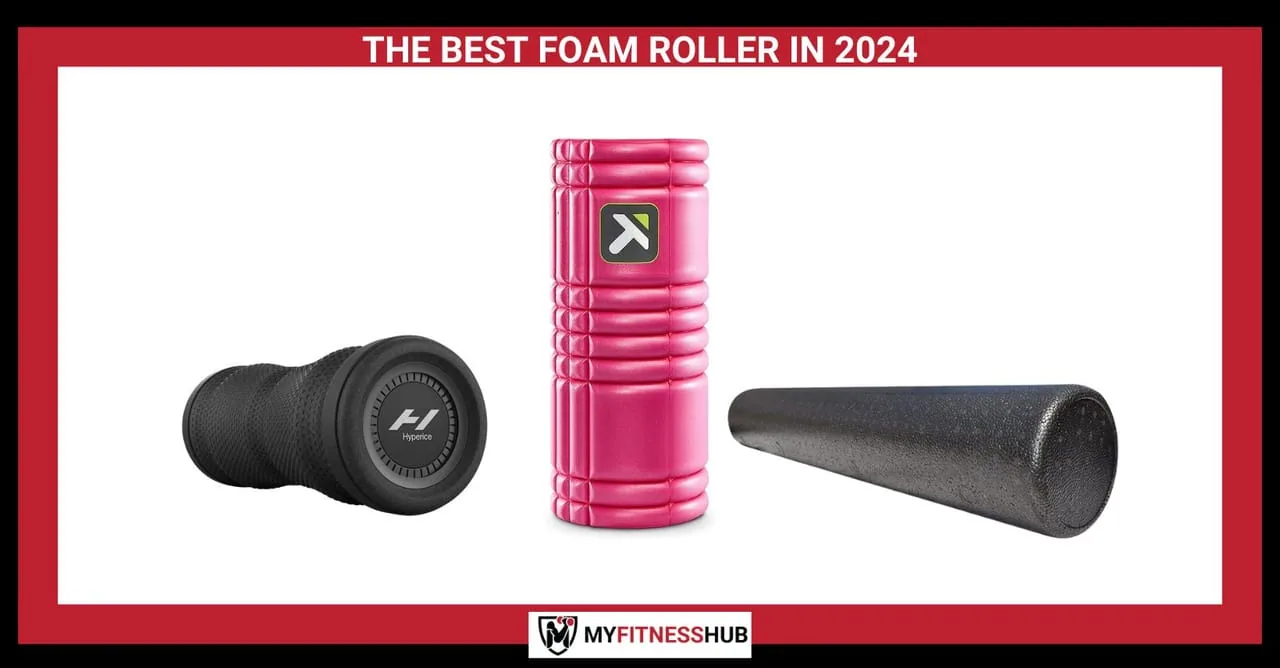
Recovery tools are designed to ease tight muscles and help you feel looser between sessions. Foam rollers are the most popular option, and they come in different densities: softer rollers suit beginners or sensitive areas, while firmer, textured rollers give a deeper feel. Massage balls target smaller spots like the feet or shoulders, and handheld massage devices offer a more intense option. Used gently and regularly, these tools can be a comfortable part of your warm-up or wind-down.
Joint support: braces and wraps
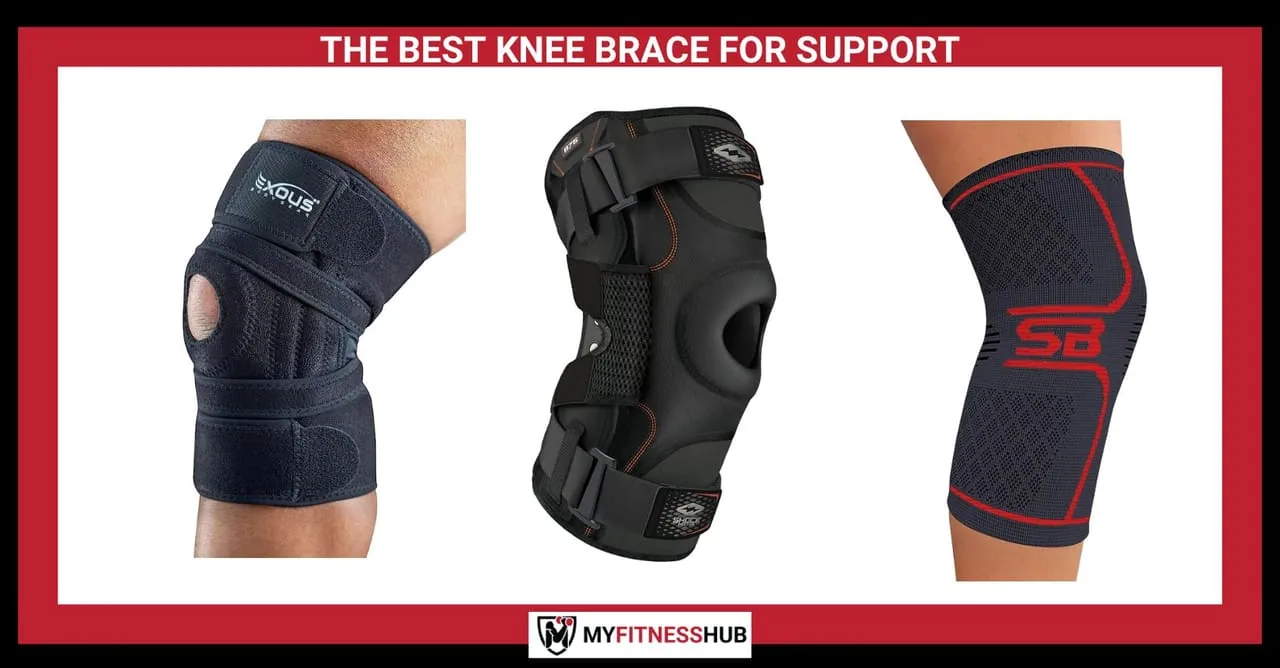
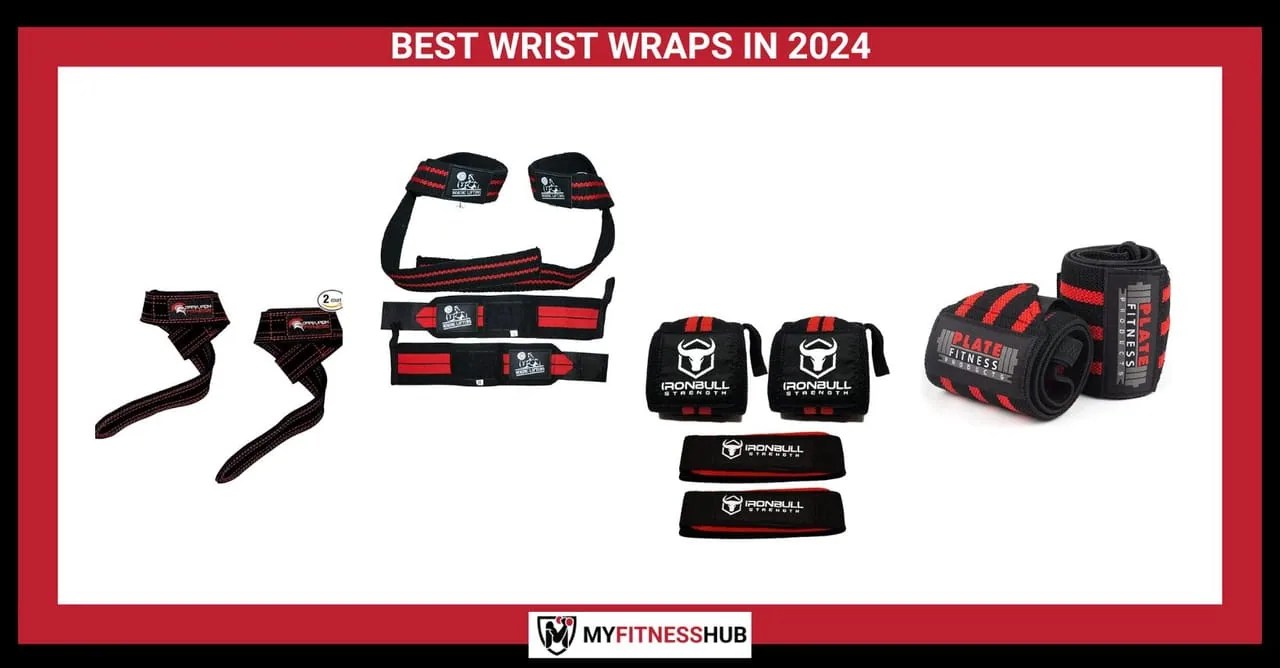
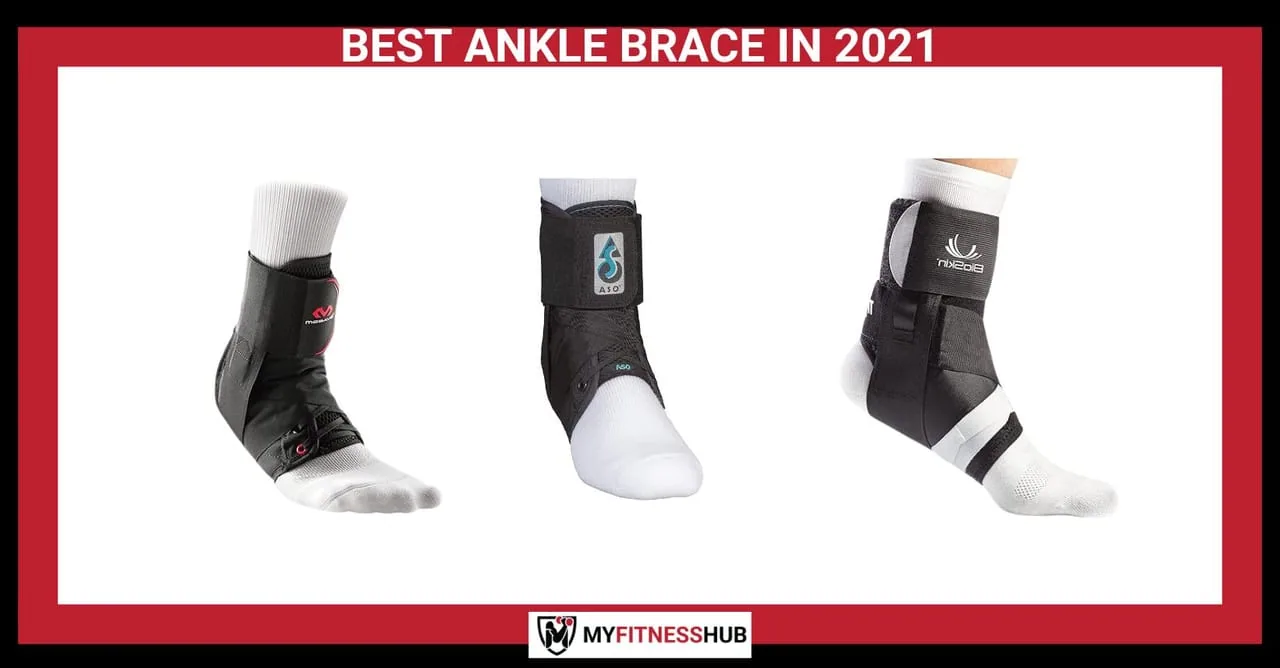
Braces, sleeves and wraps are used to support the knees, elbows, wrists and ankles during training. They can add a reassuring sense of stability and a little warmth, which some people find helpful when working around a minor niggle. The key is sizing. A support that is too loose will not do much, while one that is too tight can be uncomfortable or restrict circulation, so follow the sizing guidance closely. If you have a persistent or painful injury, it is always sensible to seek professional advice rather than relying on a support alone. Accessories are there to support your training, not replace it, so pair them with the right equipment and a sensible workout routine.
Grip and lifting aids
When your grip gives out before the target muscle does, lifting aids can help you train more effectively:
- Lifting straps help you hold onto the bar during heavy pulls.
- Wrist wraps add support for pressing movements.
- Chalk or grip gloves reduce slipping from sweaty hands.
These are tools to support good technique, not a replacement for it, so build your natural grip strength over time as well.
Staying hydrated during training
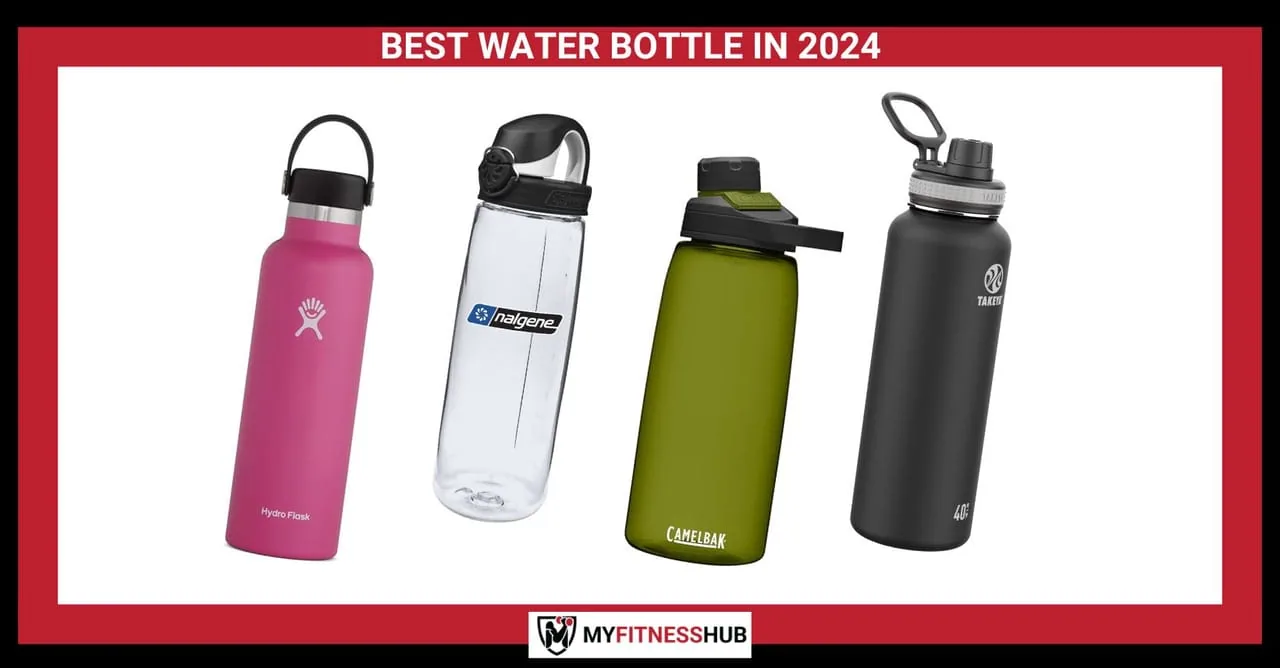
Hydration is simple but easy to overlook. Keeping a good water bottle within reach makes it far more likely that you will sip regularly through a session. Insulated bottles keep drinks cool, while clear markings help you keep track of how much you are getting through. For long or sweaty sessions, some people like an electrolyte drink to replace what they lose, though water is enough for most everyday workouts.
How to choose and care for accessories
Look for accessories that fit well, are made from hard-wearing materials and are easy to clean, as sweat and regular use take their toll. Wipe down rollers and supports, wash straps and wraps where you can, and let everything dry fully to keep it fresh. A little upkeep keeps your kit hygienic and lasting longer.
Do you need gym gloves?
Gym gloves come down to personal preference. Some people like them for extra grip and to protect their hands from calluses during heavy or high-volume sessions, while others prefer the direct feel of the bar or use chalk instead. If your hands get sore or sweaty and it affects your grip, gloves are worth a try. If you are comfortable without them, there is no need to add them for the sake of it.
Accessories for beginners versus experienced lifters
Your needs change as you progress. Beginners usually get the most from the basics: a decent water bottle, a comfortable mat and perhaps a foam roller for recovery. More experienced lifters, working with heavier loads, may benefit from supportive extras such as a lifting belt for very heavy sets, wrist wraps for pressing, or straps for big pulls. Add these as the demands of your training grow, rather than buying everything at once.
Resistance bands and mobility aids
Resistance bands are one of the most versatile accessories you can own. They are inexpensive, take up almost no room and can be used to add resistance, assist movements like pull-ups, or help you warm up and stretch. Mobility tools such as massage balls and stretching straps round out the picture, helping you move more freely and prepare your body before a session. For anyone short on space or training at home, these simple aids punch well above their weight.
A simple accessory kit to start with
If you are not sure where to begin, a small, sensible kit covers most needs without clutter. A good starting set might include:
- A reliable water bottle to keep hydration easy during every session.
- A comfortable mat for floor work, stretching and protecting your flooring at home.
- A foam roller for a gentle warm-up or recovery routine.
- A set of resistance bands for versatile, space-saving training.
From there, you can add supports, straps or recovery tools as your training develops and specific needs appear. Building up gradually means you only buy what you will genuinely use.
See our accessory reviews and guides below.