

Results come from consistent, well-structured training far more than from any single exercise or clever trick. The guides in this section cover the fundamentals, routines and programming you need to train with purpose, whether you work out at home or in a gym. The aim is to help you build a plan that fits your goals, your schedule and your current level, so your effort actually translates into progress.
Inside this section you will find practical routines, clear explanations and sensible programming advice for every stage, from your very first workout to more advanced training. Rather than chasing complicated methods, the focus is on the principles that reliably work, so you can spend less time second-guessing your plan and more time making steady, satisfying progress.
How do you build an effective workout plan?
A good plan starts with a clear goal, whether that is getting stronger, improving fitness, losing weight or simply feeling better day to day. From there, choose a handful of exercises that cover the main movement patterns: pushing, pulling, squatting, hinging and carrying. Decide how many days a week you can realistically train, and build the plan around that rather than an ideal you cannot sustain. A simple routine you follow for months beats a complicated one you abandon after a fortnight.
How often should you train?
Training frequency depends on your goal, your experience and how much time you have. As a general guide, two to three balanced sessions a week is a realistic, effective starting point for most people, with room to add more as it becomes a habit. What matters most is turning up regularly over weeks and months. A steady, repeatable schedule will always outperform an intense burst that leaves you burnt out or injured.
Strength, cardio and mobility: getting the balance right
A well-rounded routine usually includes a mix of training types:
- Strength training builds muscle, supports your joints and keeps you capable as you age.
- Cardio improves heart and lung health and helps with endurance and energy.
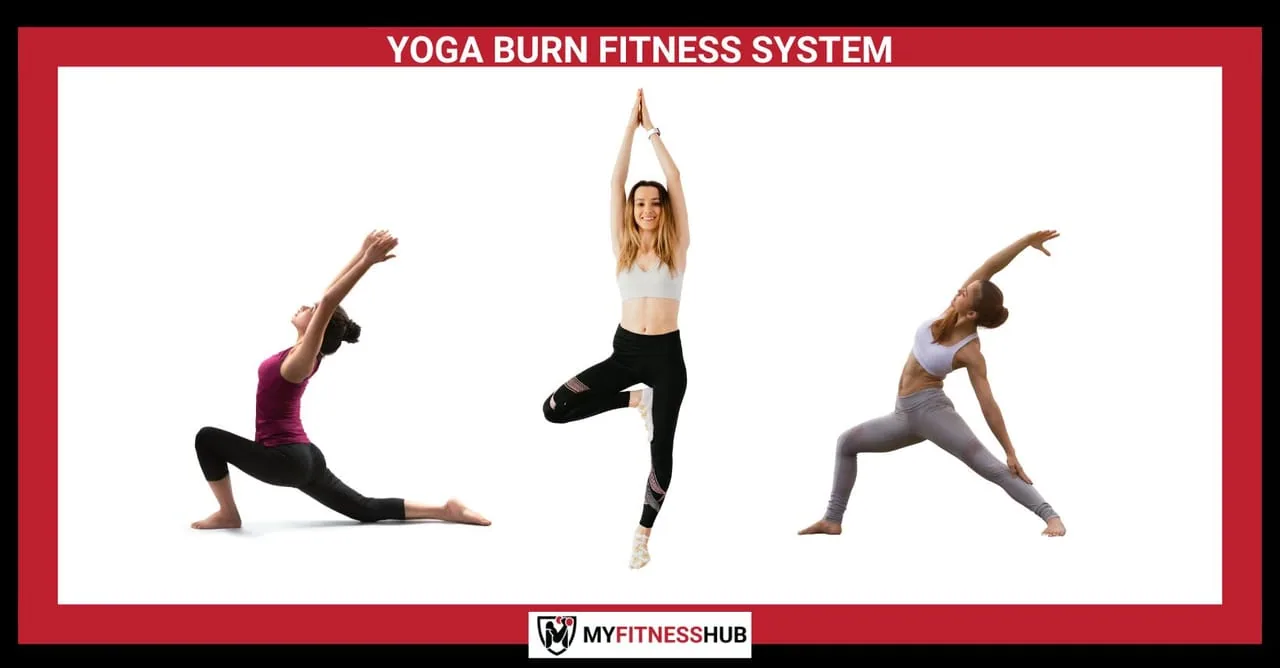
- Mobility and flexibility work keeps you moving well and can reduce stiffness.
You do not have to do everything in one session. Spreading these across your week keeps training varied and helps you avoid overloading any one area. Your training also depends on having the right equipment and fuelling it with good nutrition, so the three tend to work best together.
Training at home versus the gym
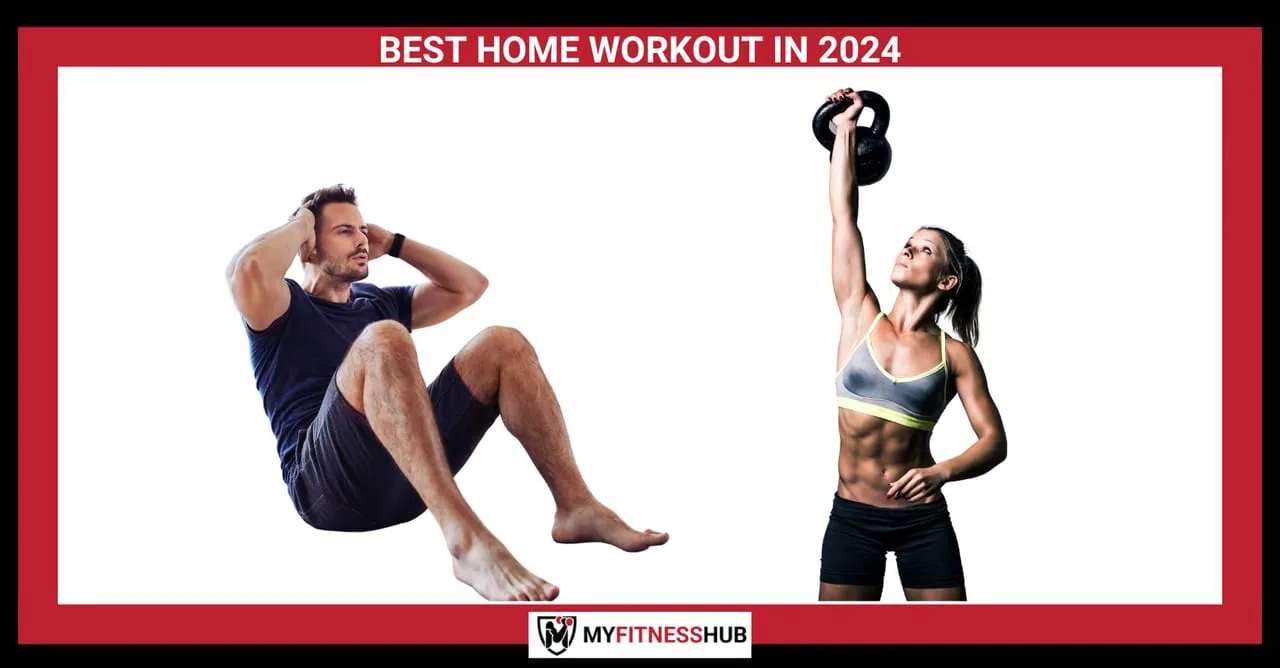
Both home and gym training can work brilliantly; the best choice is the one that fits your life. Home workouts are convenient, private and easy to slot into a busy day, and you can achieve a great deal with minimal equipment such as dumbbells or resistance bands. A gym offers a wider range of equipment, more space and, for some, a motivating atmosphere. Many people combine the two, training at home on busy days and heading to the gym when they want more variety.
Why recovery matters as much as training
Progress is not made during your workout but in the recovery that follows. Your muscles adapt and grow stronger while you rest, which is why sleep, rest days and sensible nutrition are part of any good plan. Overtraining without adequate recovery can leave you tired, sore and more prone to injury. If you feel constantly drained, taking an easier week is often the smartest way to keep moving forward.
Staying consistent and tracking progress
Consistency is the single biggest factor in long-term results, so make your routine as easy to stick to as possible. Keeping a simple record of your workouts, whether that is the weights you lift, the distance you run or how you feel, helps you see progress and stay motivated. Celebrate small wins, be patient with the process, and focus on steady improvement rather than perfection.
What are the best workouts for beginners?
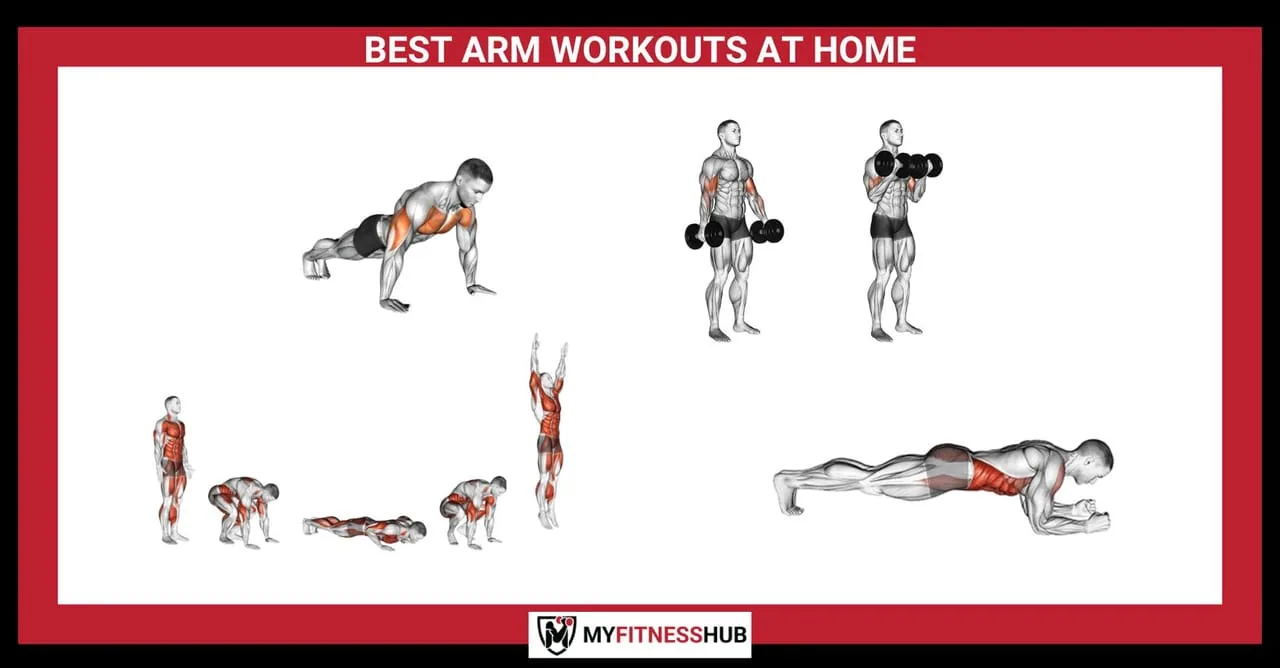
The best beginner workout is a simple, full-body routine you can repeat two or three times a week. Focus on learning a handful of basic movements with good technique, using light weights or just your body weight to start. Squats, press-ups, rows and a core exercise or two cover a lot of ground and build a solid base. As the movements start to feel natural, you can gradually add weight, reps or new exercises. Starting simple keeps you safe and makes it far easier to stay consistent.
How long should a workout last?
Quality matters more than length. For most people, a focused session of around 30 to 60 minutes is plenty, including a short warm-up. A shorter workout you actually do beats a long one you keep putting off because it feels daunting. If you are busy, even 20 to 30 minutes of solid training is worthwhile. What counts is turning up regularly, not spending hours in the gym.
How to train without getting injured
A few simple habits go a long way towards keeping you injury-free:
- Warm up first with a few minutes of easy movement to prepare your body.
- Prioritise good technique over lifting heavy, especially while you are learning.
- Progress gradually, adding weight or intensity in small steps rather than big jumps.
- Listen to your body and rest when you need to, distinguishing normal effort from sharp pain.
If something hurts beyond ordinary muscle fatigue, it is worth easing off and seeking advice rather than pushing through.
How do you keep improving over time?
Once training becomes a habit, steady progress comes from gradually asking a little more of your body. This idea, known as progressive overload, simply means increasing the challenge over time, whether by adding a little weight, doing an extra repetition, moving more smoothly or resting slightly less between sets. Small, regular steps add up to big changes over months. Reviewing your routine every few weeks and making modest adjustments keeps it effective and stops progress from stalling, without the need for constant, dramatic overhauls.
Browse our training guides and routines below.