


The supplement aisle is one of the noisiest corners of the fitness world, full of bold promises and eye-catching labels. The guides in this section aim to cut through that noise with clear, balanced overviews of what popular products are, how they are generally used and what to be cautious about. The goal is to help you tell genuine, well-understood options from marketing hype, so you can decide what, if anything, belongs in your routine.
Used well, a small number of supplements can be a convenient way to support an already-solid diet and training routine. Used poorly, they are an easy way to waste money on promises that never quite arrive. These guides are written to keep you firmly in the first camp, with practical, down-to-earth advice rather than sales talk.
Please note: the information here is educational and not a substitute for medical advice. Speak to a pharmacist or doctor before starting any supplement, especially if you take medication or have a health condition.
Do you actually need supplements?
For most people, the honest answer is that supplements are optional. A balanced diet, regular training and decent sleep do the heavy lifting, and no pill or powder can make up for gaps in those basics. Supplements are best thought of as a small top-up for specific needs, such as making it easier to reach a protein target or filling a known dietary shortfall, rather than a shortcut to results.
How to read a supplement label
A label tells you a lot once you know what to look for. Check the active ingredients and the amount of each per serving, rather than being swayed by the name on the front of the tub. Be wary of long "proprietary blends" that hide how much of each ingredient you are actually getting. Look for clear dosage instructions, a sensible serving size and, ideally, signs of independent testing. Transparent, straightforward labelling is usually a good sign.
Common supplements explained
A handful of supplements are widely used and reasonably well understood:
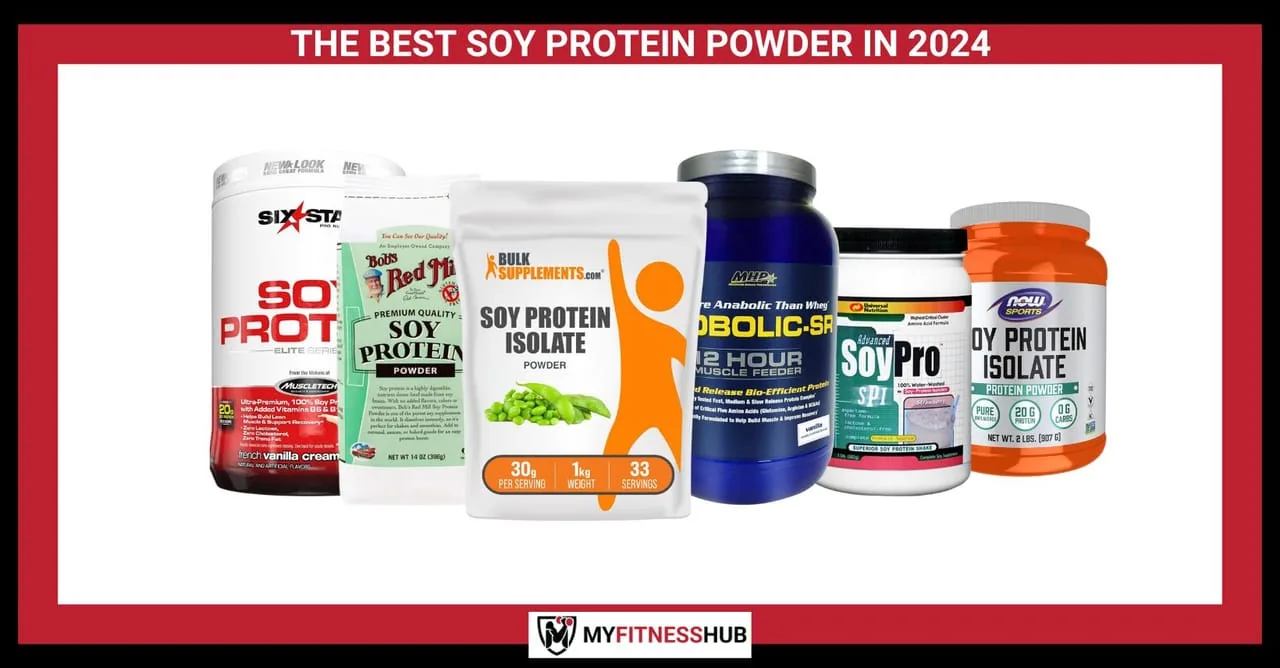
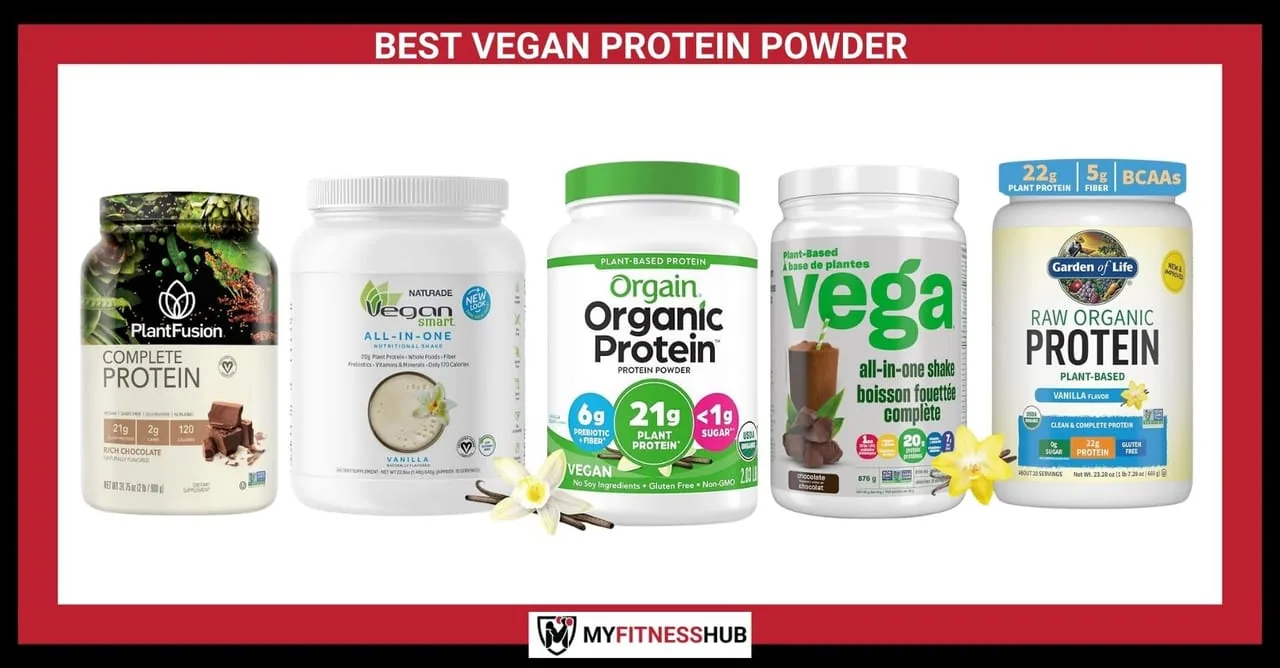
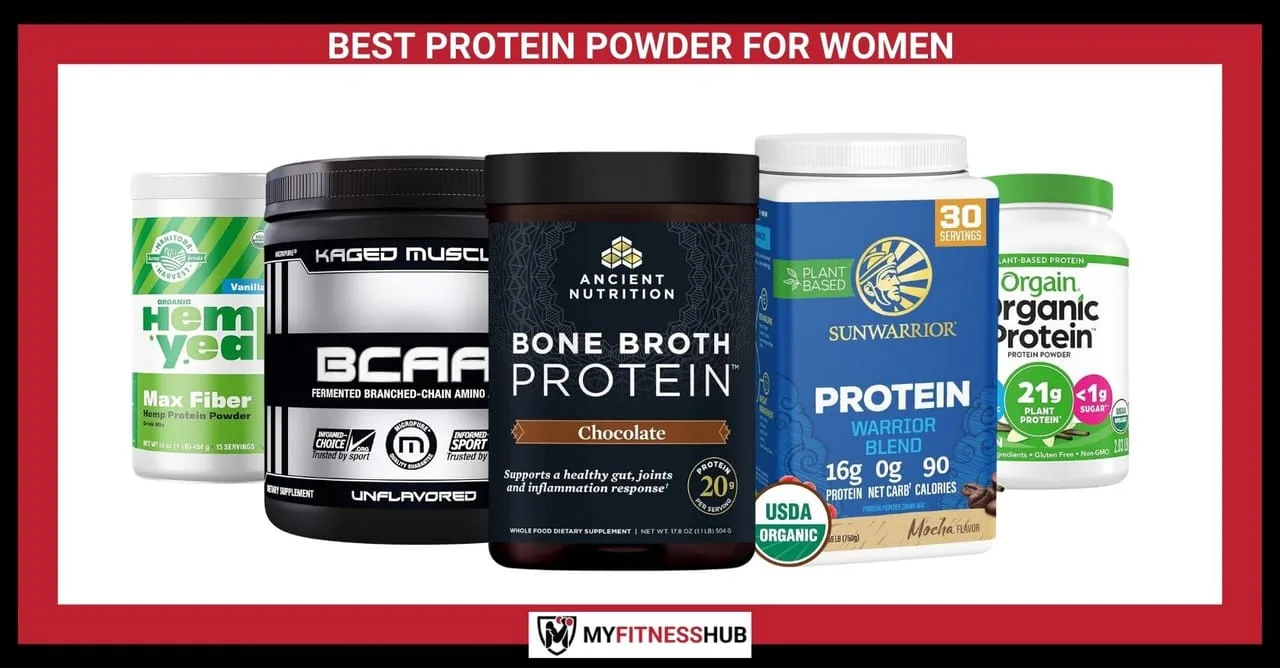
- Protein powder is a convenient way to help meet your daily protein needs when food alone falls short.
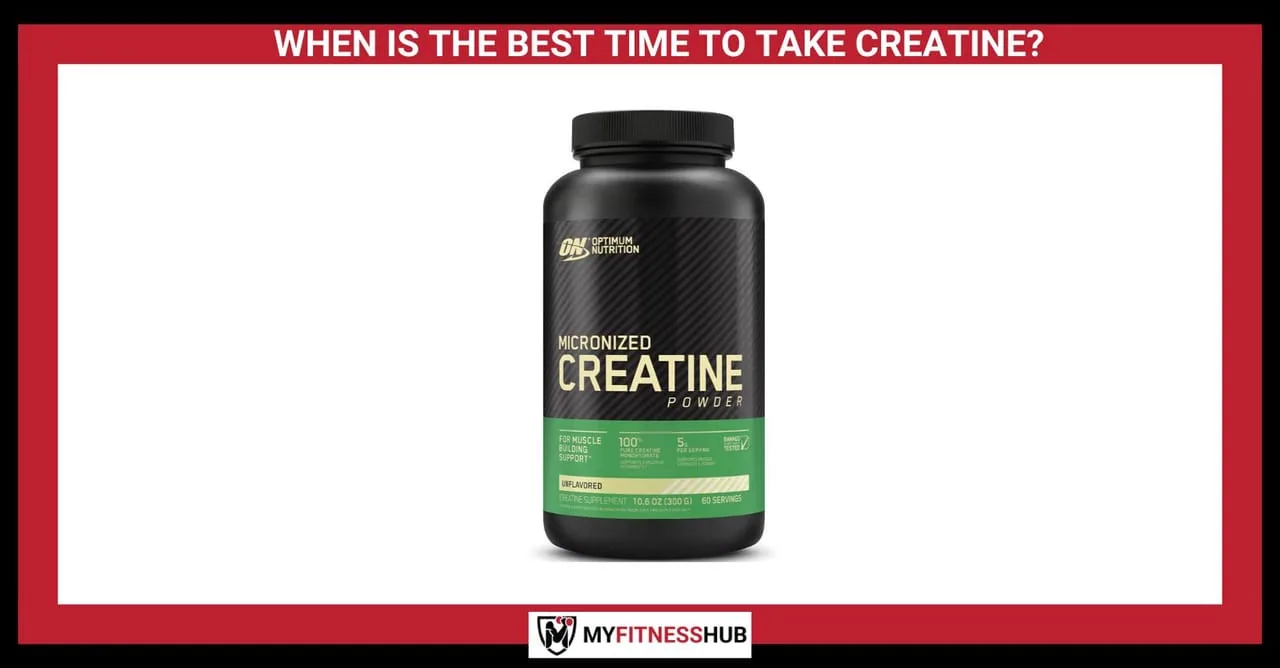
- Creatine is one of the most studied options and is popular for supporting strength and power training.
- Vitamin D is often considered in darker months when sunlight is limited, particularly in the UK.
- Caffeine is a familiar pick-me-up that some people use before training.
Even with well-known options, sensible dosing and realistic expectations matter more than taking as much as possible. Supplements only help alongside the basics, so build a solid nutrition foundation first, and visit our homepage for more practical guides.
Spotting marketing hype and red flags
Some warning signs crop up again and again. Be cautious of products that promise dramatic, effortless results, claim to work for everyone, lean heavily on before-and-after images, or use urgency and scarcity to push a sale. Vague phrases like "clinically proven" without any detail are worth questioning. Genuine products tend to make modest, specific claims and are happy to tell you exactly what is inside.
Are fat burners and quick fixes worth it?
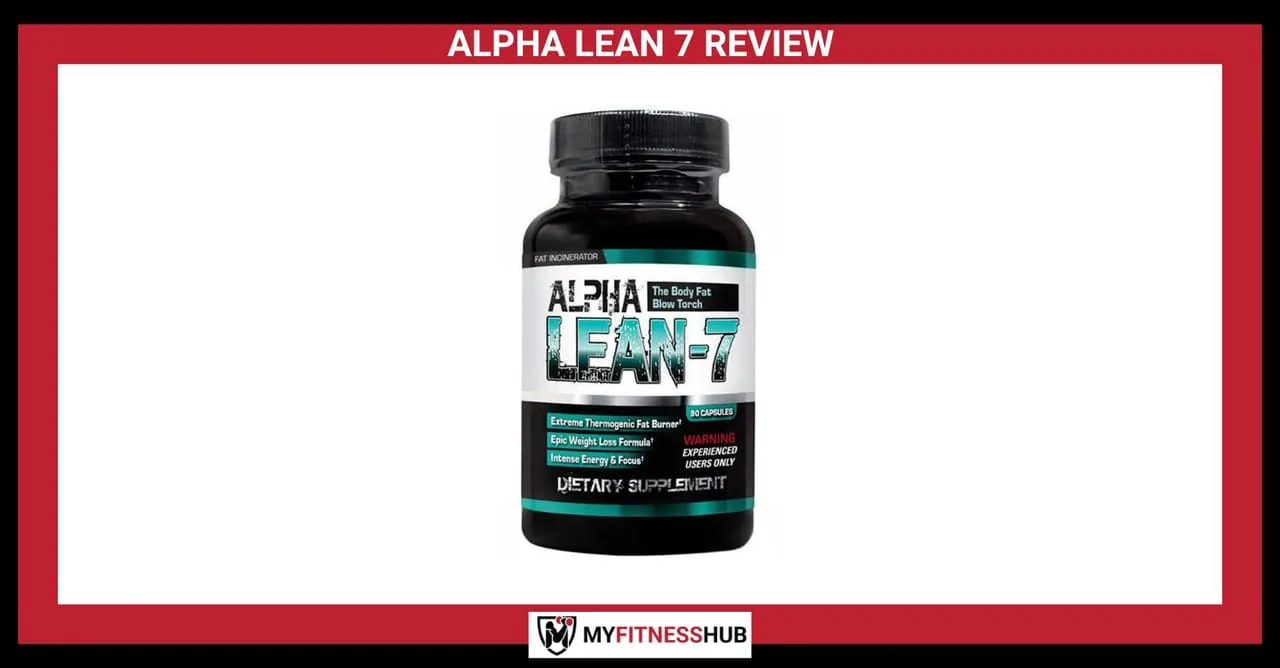
Products marketed as fat burners, detoxes or rapid weight-loss aids tend to promise far more than they can deliver, and some combine stimulants that may not suit everyone. There is no substitute for a sensible diet, regular activity and patience. If a product sounds too good to be true, it usually is, and your money is better spent on good food and a plan you can stick to.
How to choose a quality product safely
If you do decide to use a supplement, favour reputable brands with transparent labels, sensible dosages and, where possible, third-party testing for quality and purity. Start with a single product rather than stacking several at once, so you can judge how it suits you, and always check with a healthcare professional if you are unsure. A careful, measured approach is the safest way to decide what is right for you.
When is the best time to take supplements?
Timing is often less important than simply being consistent. Protein can be taken whenever it helps you reach your daily target, whether that is around training or spread through the day. Some supplements come with specific guidance on the label, such as taking them with food, so it is always worth following those instructions. For most people, the best approach is to keep things simple and take a supplement at a time they will remember, rather than chasing a perfect window.
Are supplements safe?
Well-known supplements from reputable brands are generally considered safe for healthy adults when taken as directed, but there are sensible precautions. Stick to the recommended dose, avoid combining lots of products at once, and be cautious with anything containing high levels of stimulants. If you are pregnant, breastfeeding, taking medication or managing a health condition, speak to a pharmacist or doctor before starting anything new. When in doubt, it is always better to ask than to guess.
Where should beginners start with supplements?
If you are new to supplements and want to keep things simple, there is no need to fill a cupboard. Many people start with just one well-chosen product that supports a clear need, such as a protein powder to help meet daily protein goals. Build the basics of a balanced diet and consistent training first, then consider whether a supplement genuinely adds something. Starting small also makes it easier to notice how any single product suits you.
How to get value for money
Supplements vary enormously in price, and a higher cost does not always mean a better product. To get value for money, compare the amount of the active ingredient per serving rather than the price of the tub, as a cheaper product with a larger dose can work out better value. Be wary of paying extra for flashy packaging, bold claims or long ingredient lists you do not need. Buying a single, well-chosen product that matches a clear goal is almost always a wiser use of your money than stacking several you are not sure about.
Explore our supplement overviews below.