
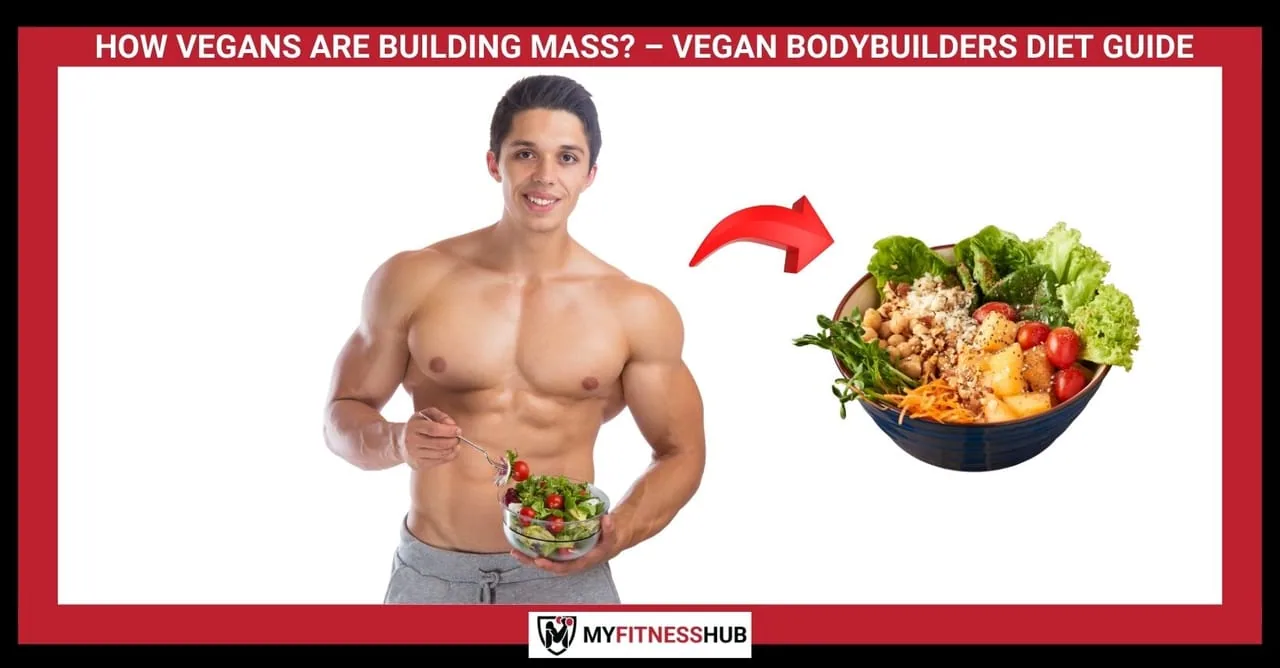
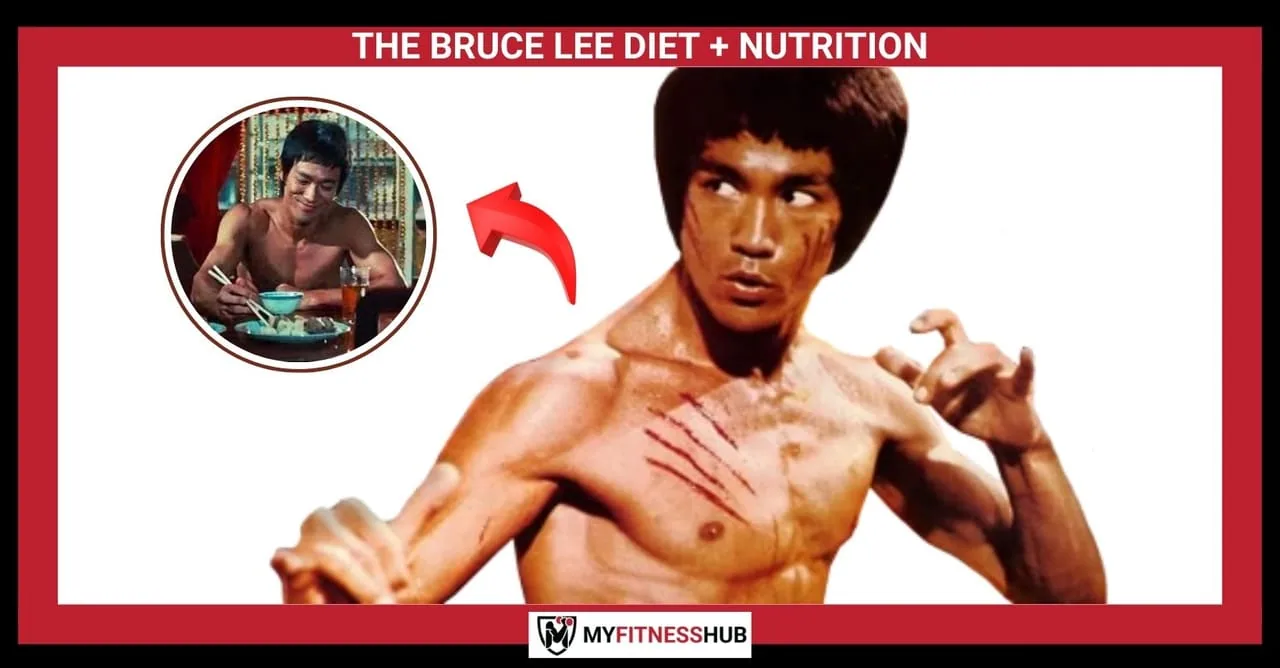
Nutrition is the foundation your training is built on. What you eat shapes your energy, your recovery and the results you see from your workouts, yet it is also where the most confusing and conflicting advice tends to appear. The guides in this section explain popular eating approaches, foods and strategies in plain language, from protein and meal planning to specific diets, so you can make informed choices instead of chasing the latest trend.
Across these guides you will find clear explanations of the foods, habits and eating patterns that support training, along with honest looks at the diets people ask about most. The aim is not to push a single way of eating, but to give you the understanding to build an approach that suits your goals, your tastes and your everyday routine.
How does nutrition support your training?
Food gives your body the fuel to train and the raw materials to recover. Carbohydrates provide energy for harder sessions, protein helps repair and build muscle, and fats support general health and hormones. You do not need to count every gram to benefit. Eating enough overall, spreading your meals sensibly through the day and including a source of protein with each one covers most of what matters for the average person.
How much protein do you really need?
Protein tends to get the most attention, and for good reason, as it supports muscle repair and helps you feel full. General guidance suggests that people who train regularly benefit from more protein than those who are sedentary, spread across the day rather than packed into one meal. Whole foods such as lean meat, fish, eggs, dairy, beans, lentils and tofu are excellent sources. If you struggle to hit your target from food alone, a protein shake can be a convenient top-up, though it is an addition to a good diet rather than a replacement for one.
Building balanced meals
A simple, repeatable plate is easier to stick with than a complicated plan. A useful template is:
- A source of protein to support recovery and keep you satisfied.
- Plenty of vegetables or fruit for fibre, vitamins and minerals.
- A portion of quality carbohydrates such as whole grains, potatoes or rice for energy.
- A little healthy fat from sources like olive oil, nuts or oily fish.
Build most of your meals around this shape and you have a flexible, balanced approach without the need for strict rules.
Do popular diets actually work?
Keto, intermittent fasting, low-carb and plant-based eating all have their supporters, and many people get results with them. The common thread is usually that they help someone eat more mindfully and manage how much they consume, rather than any single magic mechanism. The best diet is the one you can follow consistently, that fits your life and that leaves you feeling well. If an approach feels miserable or impossible to maintain, it is unlikely to last. Food does the heavy lifting here, though some people also use supplements as a top-up, and pairing good eating with regular training gives you the best results.
Whole foods versus supplements
Supplements can be handy, but they work best alongside a solid diet rather than in place of one. Whole foods provide a mix of nutrients and fibre that a single pill or powder cannot match, so aim to get the bulk of your nutrition from your plate. Reach for convenient extras like protein powder when they genuinely help you meet your needs, not out of habit or hype.
Simple habits that make the biggest difference
Small, consistent habits usually beat dramatic overhauls. Drinking enough water, eating plenty of vegetables, cooking more of your own meals and paying attention to hunger and fullness go a long way. Make changes you can keep, and give them time. If you have a medical condition or specific dietary needs, it is always worth speaking to a qualified professional before making major changes. This information is general and educational, and not a substitute for personalised advice.
What should you eat before and after training?
You do not need a complicated routine to fuel your workouts. Before training, a light meal or snack with some carbohydrates an hour or two beforehand can help you feel energised, though many people are fine training on an empty stomach for shorter sessions. Afterwards, a meal containing protein and carbohydrates supports recovery and helps refill your energy stores. The timing matters far less than most marketing suggests, so focus first on eating well across the whole day.
How do you lose fat without crash dieting?
Lasting fat loss comes from a modest, sustainable change rather than an extreme one. Eating slightly less than your body uses, while keeping your protein intake up and staying active, allows you to lose fat steadily without feeling constantly deprived. Very low-calorie crash diets tend to backfire: they are hard to stick to, can leave you tired and often lead to regaining the weight. A slower, steadier approach is more comfortable and far more likely to last.
Eating to build muscle
Building muscle needs two things from your diet: enough protein to support repair and growth, and enough overall energy to fuel your training. That usually means eating a little more than you burn, with regular protein across the day and quality carbohydrates to power your sessions. Combined with consistent strength training, this gives your body what it needs to adapt. Patience helps here, as muscle is built gradually over months rather than weeks.
How much water should you drink?
Staying well hydrated supports your energy, concentration and performance, yet it is easy to forget during a busy day. A sensible habit is to drink regularly rather than waiting until you feel thirsty, and to top up a little more around exercise, especially in warm weather or during sweaty sessions. A practical guide is to keep an eye on the colour of your urine, aiming for a pale straw colour rather than dark. Keeping a bottle within reach makes consistent hydration far easier, and plain water is perfectly good for most everyday training.
Explore our nutrition explainers and diet breakdowns below.