
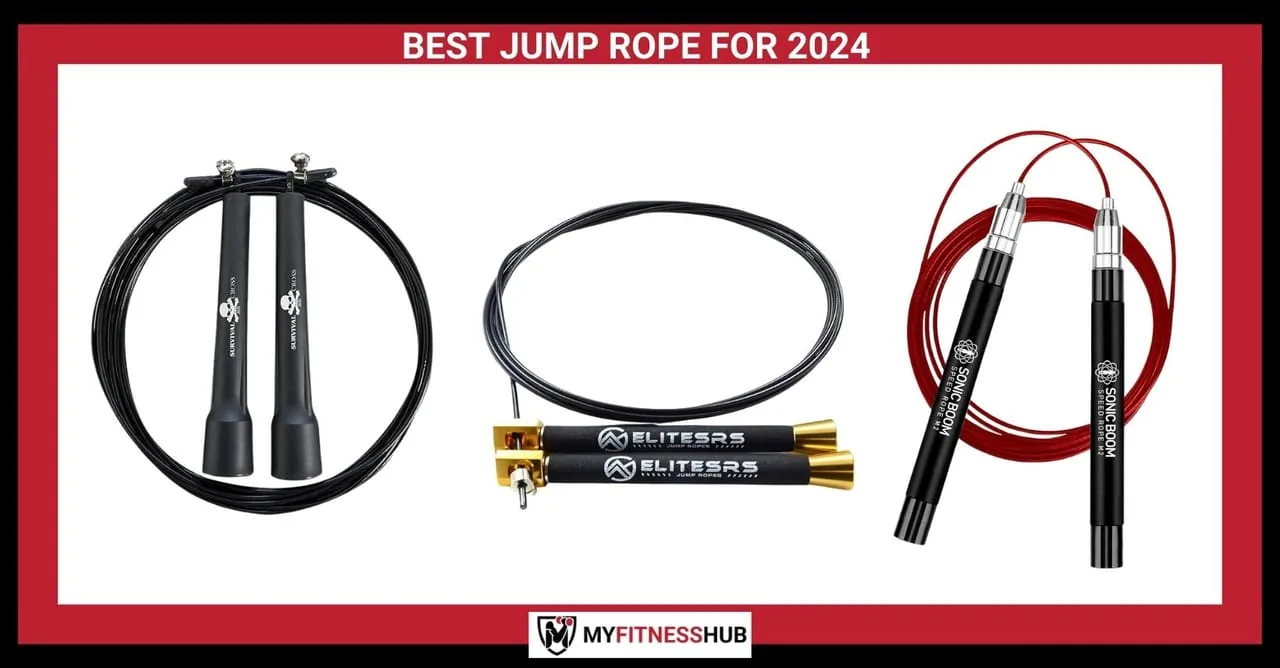
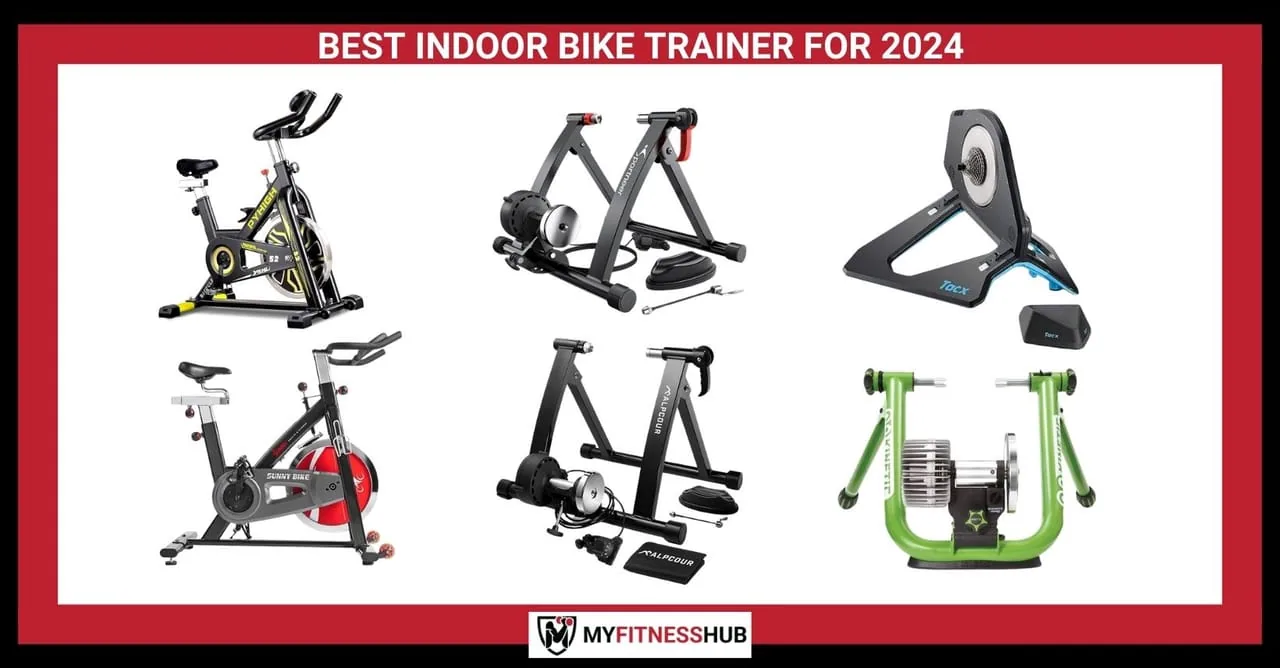
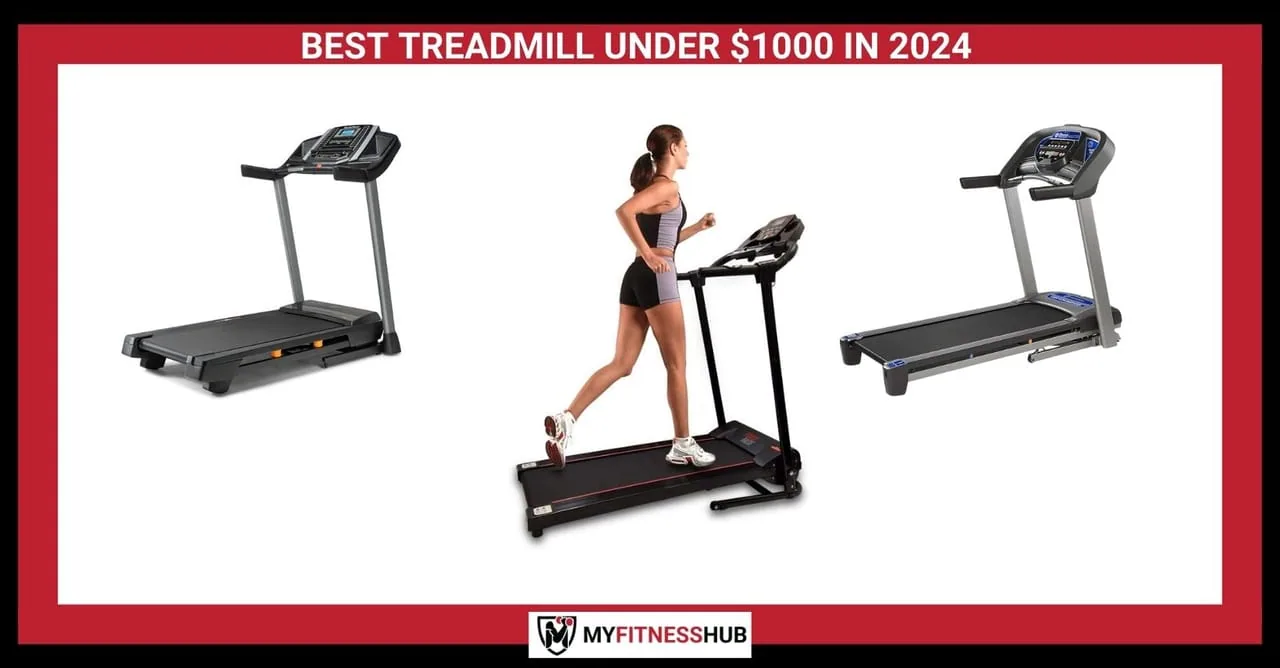
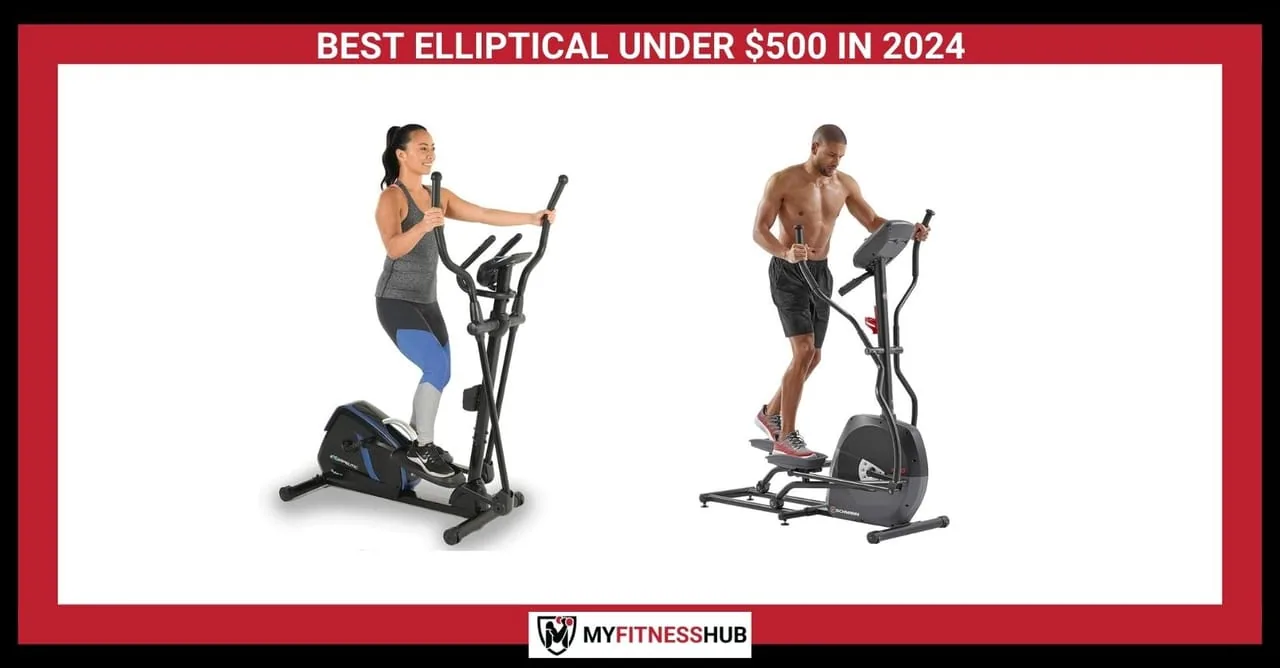
The right kit can make training easier to stick with, and the wrong kit usually ends up gathering dust in a corner. Whether you are kitting out a full home gym or just adding one machine, it pays to match your equipment to how you actually train, the space you have and the budget you can comfortably afford. The guides in this section cover treadmills, exercise bikes, rowers, ellipticals, dumbbells, home gyms and more, so you can weigh up your options before you spend a penny.
How do you choose the right fitness equipment?
Start with your goal, not the gadget. If you want to improve your general fitness and burn calories, a good piece of cardio equipment is a sensible first buy. If you are focused on building strength, adjustable dumbbells or a compact home gym will give you far more value. Be honest about the workouts you enjoy, too. The best machine is the one you will genuinely use two or three times a week, not the one with the longest feature list.
It also helps to think about who will be using it. A treadmill that suits a casual walker is very different from one built for daily running, and a bike that works for gentle sessions may feel limiting if you want to push hard.
Cardio machines: treadmills, bikes, rowers and ellipticals
Cardio equipment is popular for a reason. It is straightforward to use, kind on your schedule and easy to track. Each type has its strengths:
- Treadmills suit walkers and runners who want a familiar, weight-bearing workout, and most offer incline settings to add challenge.
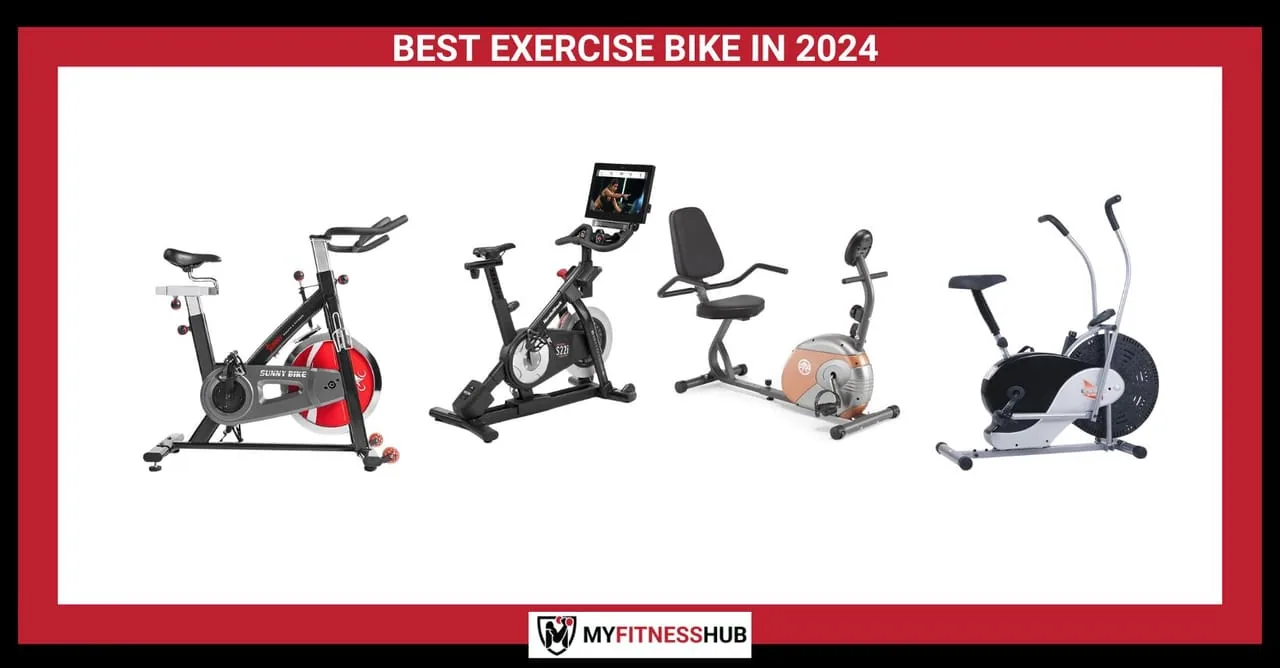
- Exercise bikes are low-impact and gentle on the joints, which makes them a good choice if you are returning to training or carrying a niggle.
- Rowing machines work your legs, back and arms together, giving you a full-body session in a reasonably small footprint.
- Ellipticals offer smooth, low-impact movement that mimics running without the pounding.
Strength training gear: dumbbells, barbells and home gyms
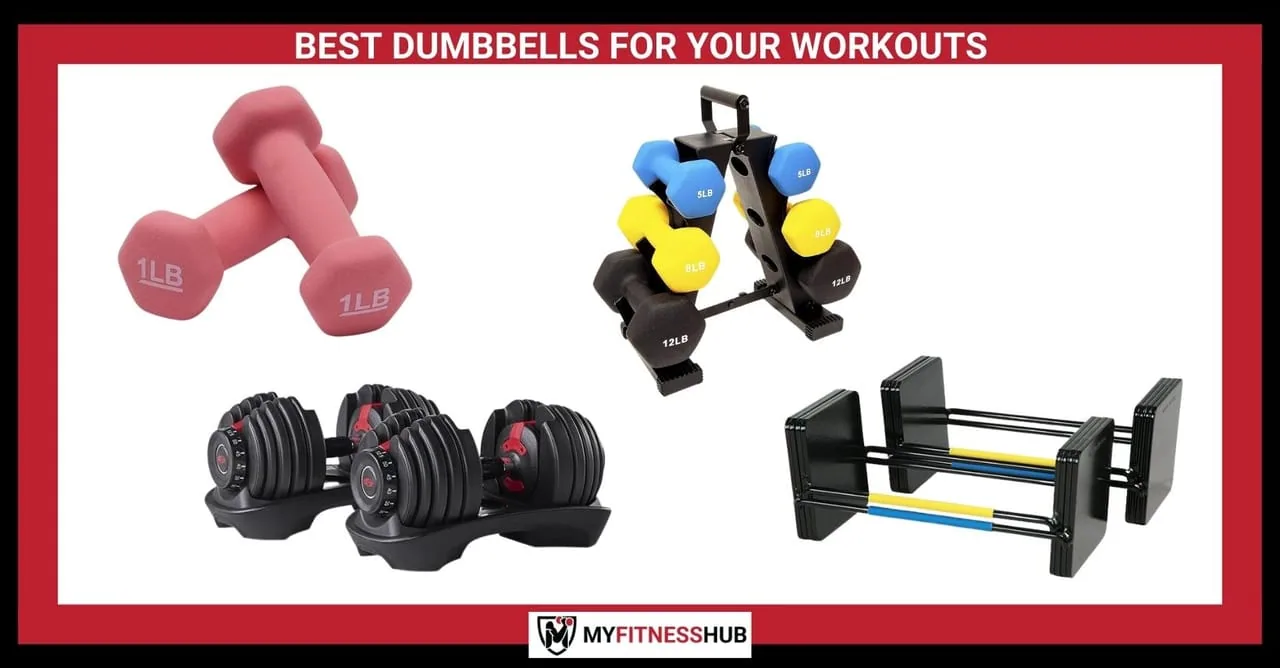
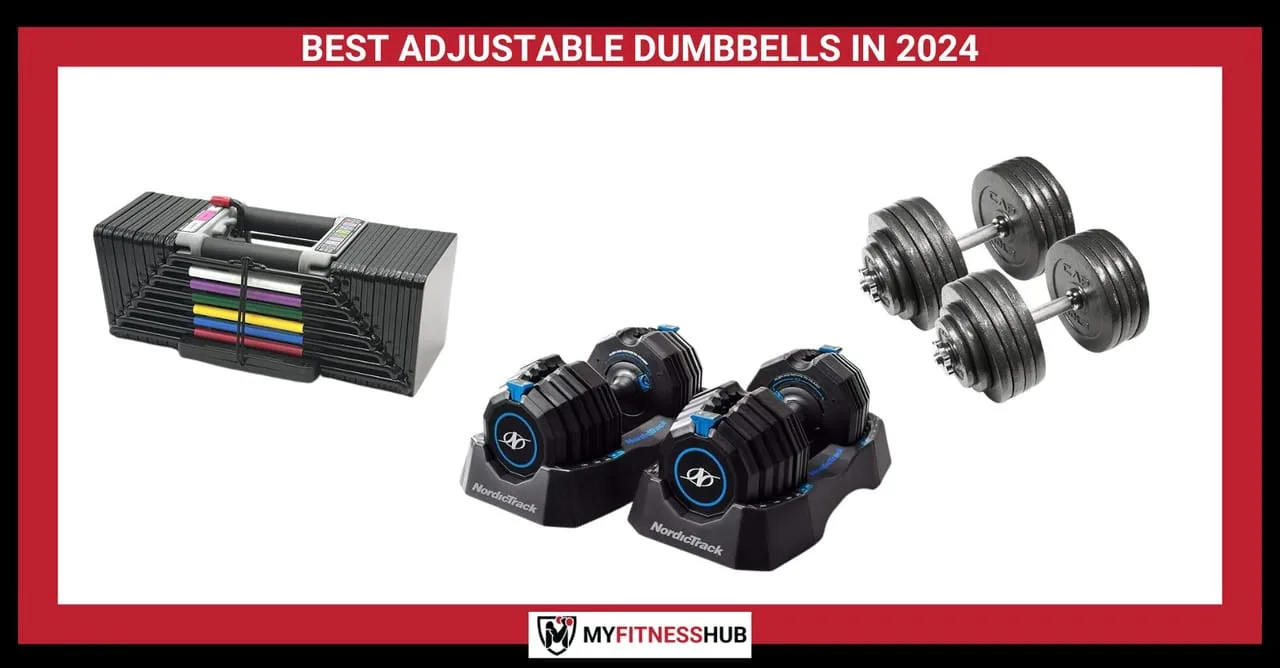
Strength work builds muscle, protects your joints and supports everyday movement as you age. You do not need a warehouse of equipment to get started. A pair of adjustable dumbbells covers dozens of exercises and takes up very little room, while a multi-gym or power rack suits anyone who wants to progress to heavier lifting at home. Resistance bands are an inexpensive way to add variety and are easy to store or take away with you.
How much space do you really need?
Space is the factor most people underestimate. Before buying, measure the area you have and check the equipment's footprint, including the room you need around it to use it safely. Cardio machines often need clearance behind them, and overhead lifts need decent ceiling height. If space is tight, look for folding treadmills, compact bikes or adjustable dumbbells that replace a whole rack of weights. Leaving enough room to train comfortably makes you far more likely to keep at it.
Is cheaper fitness equipment worth it?
Budget equipment can be a smart way to test whether a type of training suits you, but very cheap machines sometimes wobble, wear out quickly or cap you at a low resistance. As a rough guide, entry-level gear is fine for light, occasional use, mid-range options tend to offer the best balance of price and durability, and premium models are aimed at frequent, demanding training. Check the maximum user weight and load rating, and read the warranty carefully, as a longer guarantee often reflects sturdier build quality. Even the best machine is only part of the picture, so it helps to pair it with a solid training routine and good nutrition to turn your effort into results.
Keeping your equipment in good condition
Looking after your gear protects both your investment and your safety. Wipe machines down after use, keep moving parts clean and lubricated where the manufacturer recommends it, and tighten any bolts that work loose over time. Store weights and bands tidily so nothing becomes a trip hazard. A little regular care keeps everything running smoothly and saves you money in the long run.
Should you buy cardio or strength equipment first?
If you can only buy one piece to begin with, let your main goal decide. For general fitness, heart health and managing your weight, a reliable cardio machine gives you an easy, repeatable workout from day one. If your priority is building muscle, improving your shape or getting stronger for everyday life, a set of adjustable dumbbells or a compact home gym will stretch your money further. Many people eventually want a bit of both, so it is worth thinking about what you might add later and leaving a little space for it.
Fitness equipment for small spaces and flats
You do not need a spare room to train effectively at home. Plenty of equipment is designed with small spaces in mind, and a little planning goes a long way. Good options for tight spaces include:
- Adjustable dumbbells, which replace a whole rack of weights in the footprint of a single pair.
- Folding treadmills and compact bikes that tuck away when you are not using them.
- Resistance bands and a mat, which store in a drawer yet cover a huge range of exercises.
If you live in a flat, it is also worth considering noise and flooring. A good mat protects your floor, cuts down on noise for neighbours and gives you a stable, comfortable surface to train on.
A quick checklist before you buy
Before you commit to a purchase, it helps to run through a few practical questions. A quick checklist keeps you focused on what really matters:
- Does it suit my goal? Make sure the machine matches the training you actually want to do.
- Will it fit the space? Measure the area, including room to use it safely, and check the folded size.
- Is the build up to the job? Check the maximum user weight, load rating and overall stability.
- What does the warranty cover? A longer guarantee often points to sturdier construction.
- Will I use it regularly? Be honest about how often it will earn its place.
Answering these before you spend helps you avoid an expensive mistake and ends up saving money in the long run.
Ready to compare specific models? Browse our latest equipment reviews and buying guides below.